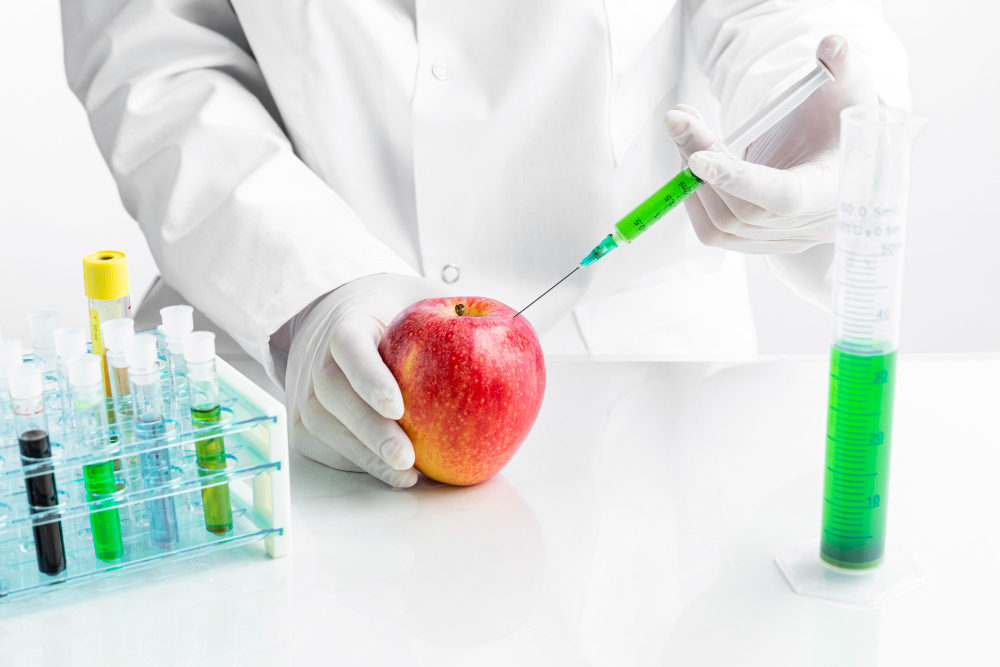
In recent years, the demand for safer cosmetics and food products has skyrocketed. With consumers becoming increasingly health-conscious and regulatory standards evolving, cosmetic and food safety testing has taken center stage. Businesses and laboratories worldwide are adapting to new technologies and methodologies to ensure products are both safe and compliant. Here, we explore the emerging trends in cosmetic and food safety testing that are shaping the industry.
1. Advanced Analytical Techniques
Modern testing laboratories are embracing advanced analytical methods to improve accuracy and efficiency. Techniques such as High-Performance Liquid Chromatography (HPLC), Gas Chromatography-Mass Spectrometry (GC-MS), and Fourier Transform Infrared Spectroscopy (FTIR) are becoming standard in detecting contaminants, allergens, and harmful chemicals. These methods allow for precise detection of trace amounts of hazardous substances, ensuring consumer safety.
2. Rise of Non-Animal Testing Methods
Ethical considerations and regulatory pressure have accelerated the adoption of non-animal testing methods in cosmetics. In vitro assays, 3D skin models, and computational toxicology are increasingly replacing traditional animal testing. These alternatives not only comply with stricter regulations, such as the European Union’s ban on animal testing for cosmetics, but also provide faster and more reliable results.
3. Digital Transformation and AI in Testing
Artificial intelligence (AI) and machine learning are revolutionizing the way laboratories conduct safety assessments. Predictive models can analyze chemical structures to forecast potential toxicities, significantly reducing the time and cost associated with conventional testing. Additionally, AI-driven data management systems help labs track results, maintain compliance, and enhance overall efficiency.
4. Focus on Microbiological Safety
Microbiological contamination remains a significant concern in both cosmetics and food products. Advanced microbial detection technologies, including PCR-based methods and next-generation sequencing (NGS), enable rapid identification of pathogens. These technologies help manufacturers prevent outbreaks and ensure products are free from harmful bacteria, yeast, or mold.
5. Emphasis on Clean Label and Natural Ingredients
Consumers are increasingly demanding transparency in product ingredients. This has led to the rise of clean-label products, which require rigorous testing to verify claims of natural and organic components. Laboratories are now focusing on verifying ingredient authenticity, detecting adulterants, and ensuring that natural preservatives are effective against microbial growth.
6. Regulatory Harmonization and Global Standards
Globalization of the cosmetic and food industries has necessitated stricter compliance with international safety standards. Regulatory bodies, including the FDA, EFSA, and ISO, are continuously updating guidelines to address emerging risks. Companies are investing in ISO-accredited laboratories and Good Laboratory Practices (GLP) to ensure products meet global safety requirements.
7. Sustainability in Testing Practices
Sustainability is no longer just a buzzword—it’s becoming a core principle in testing laboratories. From reducing chemical waste to adopting energy-efficient instruments, laboratories are aligning with environmental goals. Green chemistry and eco-friendly testing methods are not only environmentally responsible but also improve public perception of the brand.
Conclusion
The landscape of cosmetic and food safety testing is evolving rapidly. Advanced analytical techniques, AI-driven testing, ethical alternatives, and a focus on sustainability are transforming the industry. As consumer awareness grows and regulations become stricter, staying ahead of these trends is crucial for manufacturers, laboratories, and regulatory bodies alike.
By embracing these emerging trends, businesses can ensure the safety, quality, and credibility of their products, ultimately gaining consumer trust in a competitive market.